
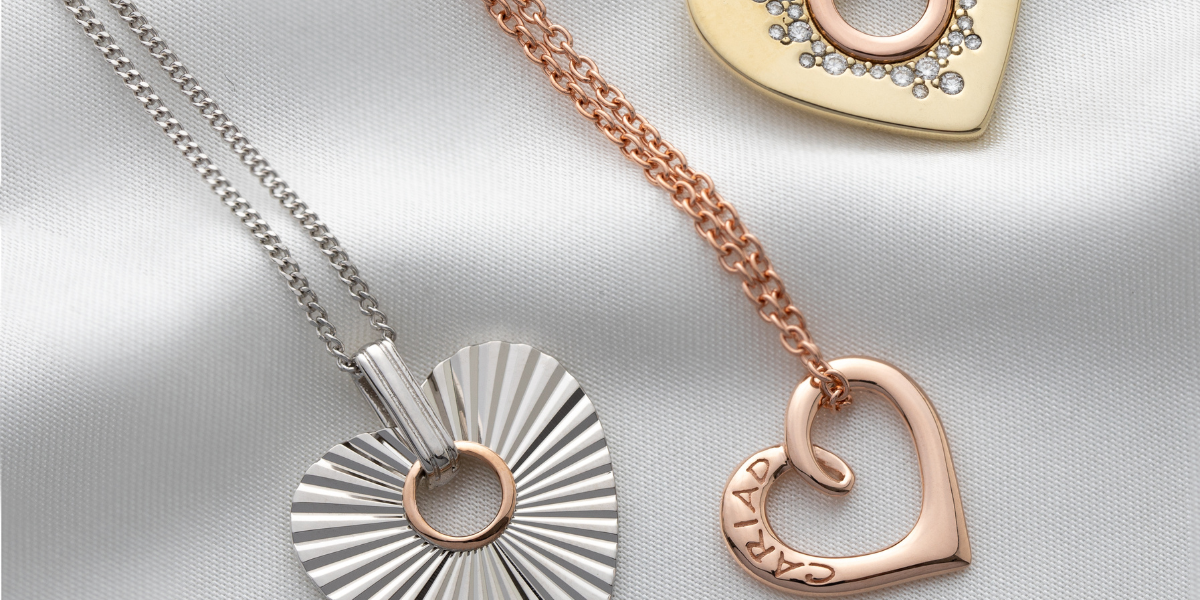
Most gold jewellery in the world can be traced to mines scattered across continents: South Africa, Australia, Russia, Canada. But tucked into the hills of Snowdonia and the old workings of Dolgellau lies a seam of gold so scarce that it has become one of the most storied materials in British jewellery. Welsh gold is not simply a regional curiosity. It carries a history of royal weddings, vanished mines, and a mystique that has made it one of the most sought-after metals among collectors and sentimental buyers alike.
For anyone drawn to jewellery with meaning behind it, not just sparkle, the story of Welsh gold is worth knowing.
A Metal Woven Into Royal History
Welsh gold’s association with the British monarchy stretches back almost a century. A nugget mined from the Clogau St David’s mine near Dolgellau was famously used to fashion the wedding ring of the late Queen Elizabeth II in 1947, and that same seam has since supplied gold for the rings of several other royal weddings. This tradition has given Welsh gold a symbolic weight that few other materials can claim: to wear it is, in a small way, to wear a thread of the same history.
That royal connection is part of why collectors and gift-givers alike seek out pieces from a dedicated Welsh Royalty collection, where designs often nod directly to this heritage through motifs and naming. It is not just marketing shine: the mines themselves are largely exhausted now, which brings us to the next part of the story.
Why Welsh Gold Is So Rare
Wales was once a genuine gold-mining region, particularly during the Victorian gold rush of the mid-1800s when prospectors flocked to Dolgellau hoping to strike it rich, earning the area the nickname “the Welsh gold rush town.” Commercial mining continued in fits and starts through the 20th century, but by the 1990s, most of the workable seams had been exhausted. Today, only tiny, carefully managed quantities of Welsh gold are extracted, and jewellers who use it typically blend a small percentage into a base of other gold to make supplies stretch further without diminishing the provenance story.
This scarcity is precisely why Welsh gold jewellery tends to be treated differently to ordinary gold pieces. It is often positioned as a keepsake rather than an everyday impulse buy: a ring given at engagement, a pendant passed between generations, a bracelet bought to mark a significant birthday. If you’re browsing a gold jewellery collection with this kind of piece in mind, it helps to know that the rarity is not just a sales narrative, it is geological fact.
The Symbolism Behind the Designs
Beyond its scarcity, Welsh gold jewellery is known for designs steeped in Celtic and Welsh folklore. A few motifs recur again and again across collections, and each has its own story.
The Tree of Life is one of the most recognisable. Rooted in ancient Celtic belief, the tree symbolises strength, wisdom, and the interconnectedness of generations, its branches and roots forming an endless pattern that never quite completes, much like life itself. It is a popular choice for pieces meant to mark family milestones, from christenings to anniversaries.
Cariad, the Welsh word for “love” or “sweetheart,” appears in heart-shaped pendants and rings designed to express affection in a way that feels distinctly Welsh rather than generic. It is often chosen for engagement and anniversary gifts.
Affinity designs draw on the idea of connection between two people, frequently rendered as a heart intertwined with delicate detailing, and are popular for relationship milestones.
These aren’t just decorative flourishes. For many buyers, the story behind a motif is as important as the metal itself, which is why it’s worth reading the description of a piece before buying rather than choosing on appearance alone.
How to Tell Genuine Welsh Gold From the Rest
Because true Welsh gold is so limited, reputable jewellers are usually transparent about how much of it a piece actually contains, often stating a percentage or describing it as “enriched with Welsh gold” rather than claiming a piece is entirely mined from Wales. This is worth looking for on a product description, alongside a hallmark, which in the UK is a legal requirement for gold jewellery over a certain weight and confirms the purity of the metal used.
If you’re new to buying gold jewellery, a hallmark is your best friend: look for a small stamped mark (often including a fineness number like 375, 585, or 750, denoting 9, 14, or 18 carat gold respectively) usually found on the inside of a ring band or the clasp of a bracelet or necklace. It is assayed and applied independently, so it is a far more reliable indicator of quality than marketing language alone.
Choosing a Piece With Heritage in Mind
If the story of Welsh gold has caught your interest, there are a few sensible ways to approach buying your first piece.
Start with what the jewellery is for. A ring intended for everyday wear benefits from a simpler band and a slightly higher carat for durability, while a pendant or pair of earrings reserved for special occasions can afford more delicate detailing. Browsing a dedicated rings collection with this distinction in mind will save you from choosing something beautiful but impractical.
Consider, too, whether the piece is meant to be a standalone statement or something layered with existing jewellery. Many Welsh gold designs, particularly smaller pendants and charms, are made to be worn together or added to over time. A charms collection is worth a look if you already own a bracelet and want to build on it gradually, adding a new charm to mark birthdays or anniversaries as they come.
Finally, think about who the piece is for and what it should mean to them. Welsh gold’s appeal has always been tied to sentiment rather than trend, so pieces bought as gifts tend to be treasured longest when the story behind the design actually matches the occasion, a Tree of Life pendant for a new grandmother, a Cariad ring for an anniversary, an Affinity piece for a milestone in a relationship.
Caring for a Piece That’s Meant to Last
Because Welsh gold jewellery is so often bought to be kept rather than replaced, it is worth treating it with a little more care than costume jewellery. Store pieces separately, ideally in a soft pouch or lined box, to avoid scratching from other metals. Remove rings and bracelets before swimming, exercising, or using household cleaning products, as chlorine and harsh chemicals can dull gold’s finish over time and damage delicate stonework.
A gentle clean with warm water, a mild soap, and a soft cloth is usually enough to keep a piece looking its best, and most jewellers recommend having clasps and settings checked periodically, particularly on pieces worn daily. Treated this way, a well-made gold piece genuinely can last decades, which is part of what makes it such a meaningful thing to own or to give.
Common Questions About Welsh Gold
Is all Welsh gold jewellery entirely mined in Wales? Not usually, and reputable jewellers won’t claim otherwise. Because the remaining seams yield such small quantities, most pieces described as Welsh gold contain a proportion of genuine Welsh gold blended into a wider gold alloy. Look for a clear description of how much is included rather than assuming a piece is one hundred percent Welsh in origin.
Does Welsh gold cost more than other gold jewellery? Generally, yes, and the reasoning is straightforward: scarcity drives price in any material market, and Welsh gold is genuinely scarce in a way that most gold sources aren’t. That said, prices vary considerably depending on carat, design complexity, and how much Welsh gold a piece actually contains, so it’s worth comparing like for like rather than assuming every piece carries the same premium.
Will Welsh gold mining ever resume at scale? It’s unlikely in the near term. The major seams that supplied the royal family’s rings have been largely worked out, and current extraction happens on a very small, tightly managed scale. This is, in a way, part of the appeal: buying a piece now means acquiring something made from a resource that is only becoming rarer, not more available, as time goes on.
A Small Piece of Welsh History
What makes Welsh gold jewellery different from most fine jewellery on the market isn’t just its rarity, though that is real and increasingly pronounced as old seams run dry. It’s the fact that a small pendant or ring can genuinely connect the wearer to a specific landscape, a documented mining history, and in some cases the same source as a royal wedding band. For anyone who values jewellery with a story rather than jewellery that simply looks good, that combination is hard to find anywhere else.
