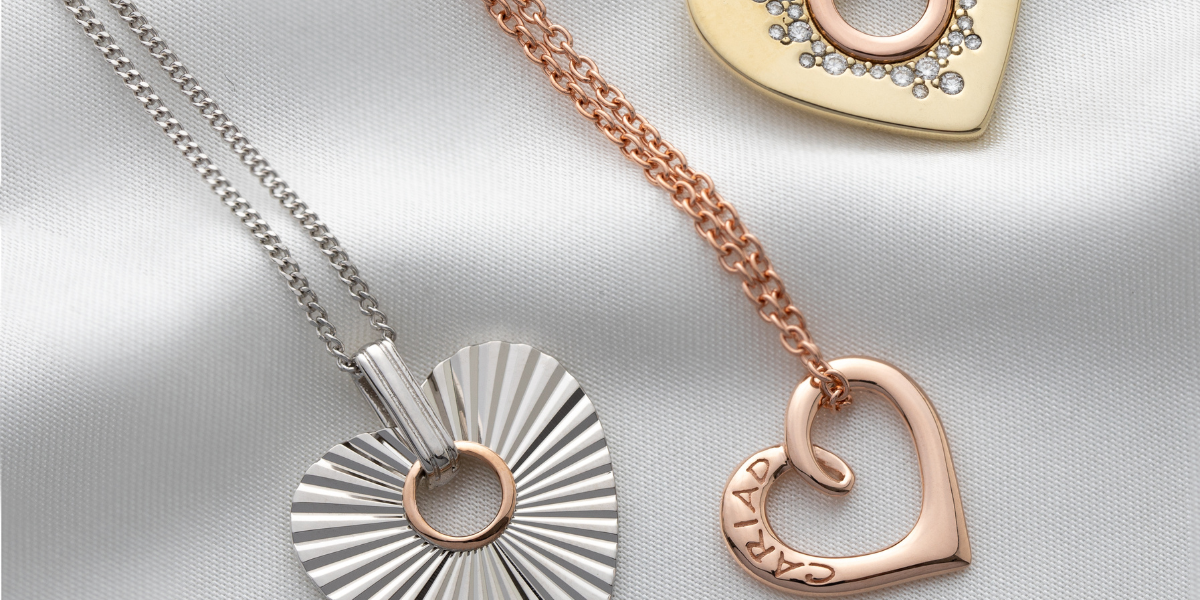
The Art of Flawless Brilliance: Mastering Diamond Craftsmanship
Few materials in the world captivate the human imagination quite like diamonds. Symbolizing eternity, purity, and enduring strength, diamonds have been prized for centuries not just for their rarity, but for the extraordinary skill required to transform them from rough, unrefined crystals into dazzling works of art. The process of crafting a diamond—known as diamond craftsmanship—is a blend of science, precision, and artistic vision. It is an art form that demands patience, expertise, and an unwavering commitment to perfection. To truly appreciate a diamond’s brilliance, one must first understand the meticulous journey it undergoes from mine to masterpiece.
The Origins: From Rough to Refined
Every diamond begins its life deep beneath the Earth’s surface, formed under intense pressure and heat over billions of years. These raw stones, often rough and unassuming, hold within them the potential for breathtaking beauty. However, their true transformation begins only when skilled artisans take charge. The first step in diamond craftsmanship is the careful examination and planning phase. Experts assess the rough stone’s natural features, including its size, shape, clarity, and any internal inclusions or external blemishes. This assessment is critical, as it determines the most effective cutting and polishing strategy to maximize the diamond’s fire, brilliance, and scintillation—the very qualities that make diamonds so mesmerizing.
Once the analysis is complete, the diamond is marked with ink or laser to outline the precise cuts that will be made. This stage is where the artistry truly begins, as the cutter must balance the preservation of carat weight with the enhancement of optical properties. A single misjudgment can result in a loss of brilliance or even structural integrity. It is a high-stakes decision-making process that separates the master from the novice.
The Cutting Process: Shaping Light and Life
The cutting process is where science meets artistry. Diamonds are cut using specialized tools, including diamond-coated blades and lasers, which allow for precision that was once unimaginable. The most common diamond cuts include the round brilliant, princess, emerald, and cushion, each designed to optimize light reflection and refraction. The round brilliant cut, for example, is engineered to maximize sparkle by carefully angling the facets to allow light to enter, reflect internally, and exit through the top of the stone—a process known as total internal reflection.
Cutting a diamond involves several stages:
- Cleaving: Using a diamond-tipped blade or laser, the rough stone is split along its natural grain or cleavage line to separate it into smaller, more manageable pieces.
- Sawing: For stones that cannot be cleaved, a diamond-coated saw is used to cut through the diamond with precision, guided by the pre-marked lines.
- Bruting: The diamond is shaped into a circular outline, often using another diamond as a tool, to form the basic silhouette of the gemstone.
- Polishing: Facets are cut and polished one by one, each angle and proportion meticulously calculated to achieve the desired brilliance. This step requires immense patience, as even the slightest error can diminish the diamond’s fire.
The art of cutting is not merely technical—it is deeply intuitive. Master cutters often rely on years of experience to “feel” the stone, adjusting their approach based on subtle vibrations and resistance. This tactile sensitivity, combined with technical knowledge, ensures that each diamond emerges as a unique reflection of craftsmanship.
The Four Cs: The Foundation of Flawless Brilliance
No discussion of diamond craftsmanship would be complete without mentioning the Four Cs: Cut, Color, Clarity, and Carat weight. These criteria, established by the Gemological Institute of America (GIA), serve as the universal standard for evaluating diamond quality. While each “C” plays a vital role, the cut is often considered the most critical, as it directly influences a diamond’s brilliance and fire.
- Cut: The most important of the Four Cs, the cut determines how well a diamond reflects light. A well-cut diamond will appear fiery and luminous, while a poorly cut one may appear dull, regardless of its other qualities.
- Color: Diamonds are graded on a color scale from D (colorless) to Z (light yellow or brown). The less color a diamond has, the higher its value, though some fancy-colored diamonds—like blues, pinks, and yellows—are prized for their rarity.
- Clarity: This refers to the presence of internal inclusions (flaws within the diamond) and external blemishes. Flawless diamonds are exceptionally rare, but many inclusions are microscopic and do not detract from a diamond’s beauty.
- Carat: Carat weight measures a diamond’s size, with one carat equaling 200 milligrams. While larger diamonds are rarer, size alone does not determine a diamond’s worth—proportion and cut quality are equally important.
Mastering the Four Cs requires not only technical expertise but also an eye for detail. The most skilled diamond cutters understand how to balance these factors to create a stone that is not just beautiful, but extraordinary.
The Role of Technology in Modern Diamond Craftsmanship
While traditional craftsmanship remains at the heart of diamond cutting, modern technology has revolutionized the process. Advanced tools such as 3D modeling software, laser cutting machines, and precision measurement devices have elevated the art to new heights. Computer-aided design (CAD) allows cutters to simulate different cutting strategies before making a single incision, reducing waste and maximizing brilliance. Additionally, technologies like the Sarin and Ogi systems enable real-time analysis of a diamond’s internal structure, helping artisans identify the optimal cutting paths.
Another groundbreaking innovation is the use of high-precision lasers for cutting and shaping diamonds. Unlike traditional methods, lasers can make incredibly fine incisions with minimal loss of material, preserving more of the original rough stone. This is particularly beneficial for large or irregularly shaped diamonds, where traditional cutting might result in significant wastage.
Despite these advancements, the human touch remains irreplaceable. Technology enhances precision, but it is the artisan’s skill, intuition, and passion that transform a diamond into a masterpiece. The best cutters combine cutting-edge tools with centuries-old techniques, ensuring that each stone retains its unique character and soul.
Ethics and Sustainability in Diamond Craftsmanship
In recent years, the diamond industry has faced increasing scrutiny over ethical and environmental concerns. Issues such as conflict diamonds, exploitative labor practices, and environmental degradation have prompted a shift toward more responsible sourcing and craftsmanship. Ethical diamond craftsmanship emphasizes transparency, fair labor practices, and sustainable mining methods.
Many reputable jewelers and cutters now prioritize diamonds that are certified by organizations such as the Kimberley Process, which aims to prevent the trade of conflict diamonds. Additionally, lab-grown diamonds have gained popularity as a sustainable alternative, offering the same chemical composition and brilliance as mined diamonds without the environmental or ethical drawbacks. These lab-created stones are crafted using advanced technological processes that replicate the natural conditions under which diamonds form, resulting in gems that are indistinguishable from their mined counterparts.
For those committed to ethical luxury, supporting brands and artisans who prioritize sustainability is a meaningful way to ensure that their diamond jewelry aligns with their values. From fair-trade certifications to carbon-neutral workshops, the future of diamond craftsmanship is being redefined by a commitment to responsibility and integrity.
The Future of Diamond Craftsmanship: Innovation Meets Tradition
As we look ahead, the world of diamond craftsmanship continues to evolve, driven by innovation, sustainability, and a renewed appreciation for artistry. One exciting development is the rise of blockchain technology, which is being used to trace the journey of a diamond from mine to market. This level of transparency not only builds consumer trust but also empowers buyers to make informed, ethical choices.
Another trend is the growing demand for customized and unique diamond cuts. While classic shapes like the round brilliant and princess cut remain popular, modern consumers are increasingly seeking one-of-a-kind designs that reflect their individuality. Artisan cutters are responding by experimenting with asymmetrical facets, mixed cuts, and even sculptural designs that push the boundaries of traditional diamond craftsmanship.
The integration of artificial intelligence (AI) and machine learning is also poised to transform the industry. AI can analyze vast datasets to predict optimal cutting strategies, while machine learning algorithms can identify patterns in diamond structures that human eyes might miss. These tools have the potential to further refine the craftsmanship process, making it more efficient and precise than ever before.
Yet, amidst all these advancements, the essence of diamond craftsmanship remains unchanged. It is still an art form that demands mastery, patience, and a deep respect for the material. Whether through traditional hand-cutting methods or cutting-edge technology, the goal remains the same: to create a diamond that not only sparkles with brilliance but also tells a story of human ingenuity and dedication.
Conclusion: The Timeless Allure of Flawless Brilliance
Diamond craftsmanship is more than just a process—it is a celebration of human creativity, precision, and passion. From the depths of the Earth to the hands of master cutters, each diamond undergoes a remarkable journey that transforms it into a symbol of enduring beauty. The art of flawless brilliance is not merely about creating a perfect stone; it is about capturing the essence of light, life, and timelessness in a single gem.
For those who appreciate diamonds, understanding the craftsmanship behind them adds a layer of depth to their beauty. It is a reminder that true brilliance is not born—it is carefully sculpted, one facet at a time. Whether you are a collector, an investor, or simply someone who admires the artistry of fine jewelry, the world of diamond craftsmanship offers a fascinating glimpse into the intersection of nature, science, and human ingenuity. In every flawlessly cut diamond, there lies a masterpiece—one that reflects not just the skill of the artisan, but the enduring allure of human aspiration.