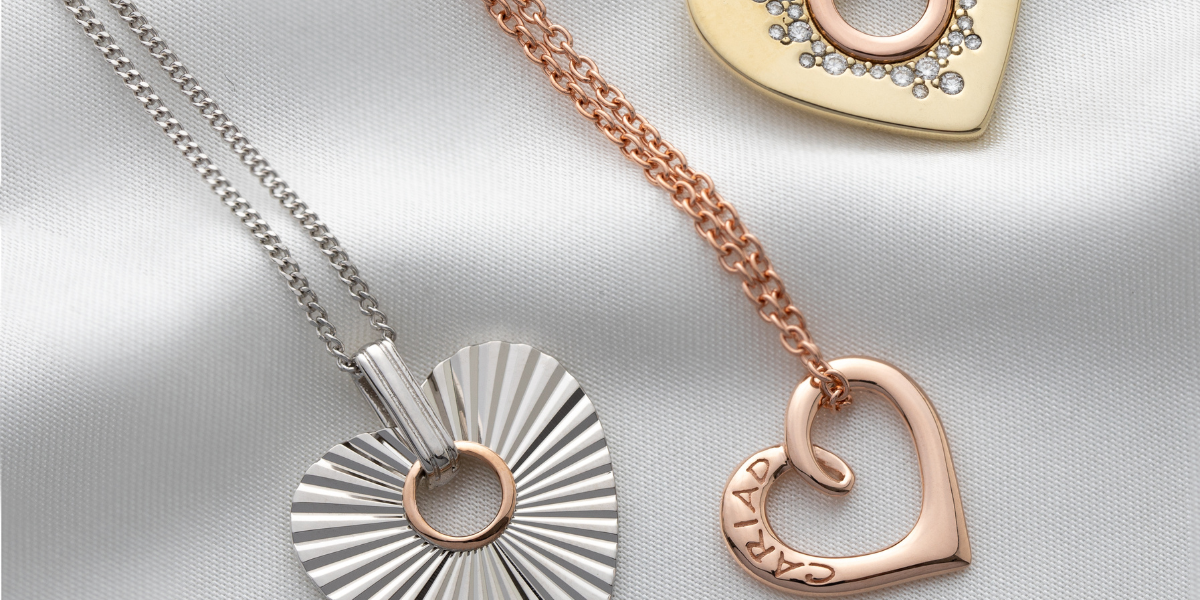
The Artistry Behind Every Sparkle: Unveiling Jewelry Craftsmanship
Jewelry has long been more than just an accessory—it is a testament to human creativity, skill, and cultural heritage. From the simplest beaded necklace to the most intricate diamond-encrusted tiara, each piece carries a story of craftsmanship that spans centuries. The artistry behind jewelry making is a delicate balance of tradition and innovation, where artisans transform raw materials into objects of beauty and meaning. This article delves into the world of jewelry craftsmanship, exploring the techniques, tools, and passion that bring every sparkle to life.
The History and Evolution of Jewelry Making
Jewelry making is one of the oldest art forms, with evidence dating back to ancient civilizations. Archaeologists have uncovered jewelry crafted from shells, bones, and stones in prehistoric sites, suggesting that adornment was a fundamental human desire long before written history. As societies evolved, so did the techniques and materials used in jewelry making. The Egyptians, renowned for their goldsmithing skills, created elaborate pieces for both aesthetic and symbolic purposes, often burying them with the deceased to accompany them into the afterlife. Meanwhile, the Greeks and Romans elevated jewelry to an art form, incorporating gemstones and intricate engravings that reflected their love for mythology and art.
During the Middle Ages, jewelry became a status symbol among European nobility, with craft guilds emerging to standardize techniques and ensure quality. The Renaissance period saw a surge in artistic innovation, with jewelers like Cellini and Miseroni creating masterpieces that blurred the line between jewelry and sculpture. The industrial revolution in the 19th century revolutionized jewelry production, introducing machinery that allowed for mass production while still preserving the artistry of handcrafted pieces. Today, contemporary jewelers draw inspiration from these historical traditions while embracing modern technologies like 3D printing and laser cutting to push the boundaries of design.
The Materials That Sparkle: A Guide to Precious Elements
The choice of materials is the foundation of any jewelry piece, determining not only its appearance but also its durability and symbolic meaning. Precious metals and gemstones are the most sought-after components, each with unique properties and histories.
- Gold: One of the most malleable and ductile metals, gold is prized for its luster and resistance to tarnish. It is often alloyed with other metals like copper or silver to enhance its strength. The purity of gold is measured in karats, with 24K being pure gold and lower karats indicating a blend with other metals.
- Silver: Known for its bright, reflective surface, silver is a popular choice for both everyday and high-end jewelry. Sterling silver, which contains 92.5% pure silver, is commonly used due to its durability and affordability. However, it requires regular polishing to prevent tarnishing.
- Platinum: A dense, heavy metal with a natural white sheen, platinum is highly resistant to corrosion and tarnishing. It is often used in engagement rings and fine jewelry due to its rarity and durability.
- Gemstones: From the fiery brilliance of diamonds to the deep hues of sapphires and emeralds, gemstones add color and depth to jewelry. Each stone has unique properties—diamonds are the hardest natural substance, while opals and moonstones exhibit a play of light known as adularescence.
- Pearls: Unlike other gemstones, pearls are organic, formed within the soft tissue of certain mollusks. Natural pearls are rare and highly valued, while cultured pearls offer a more accessible alternative. Their lustrous surface and soft colors make them a timeless choice for jewelry.
Beyond these traditional materials, contemporary jewelers experiment with unconventional elements like titanium, tungsten, and even recycled metals to create sustainable and unique pieces. The choice of material often reflects the wearer’s personality, values, and the occasion for which the jewelry is intended.
The Tools of the Trade: Essential Equipment for Jewelers
Jewelry craftsmanship relies on a specialized set of tools, each designed to perform precise tasks in the creation process. While modern technology has introduced digital tools, many artisans still prefer traditional hand tools for their tactile control and versatility.
Hand Tools
- Hammers and Mallets: Used for shaping, texturing, and riveting metal. Different types of hammers, such as chasing hammers and planishing hammers, create distinct finishes.
- Files and Rasps: Essential for smoothing rough edges, shaping metal, and refining details. Jewelers use various cuts and sizes for different applications.
- Pliers: Including round-nose, flat-nose, and chain-nose pliers, these tools are crucial for bending, gripping, and manipulating wire and metal components.
- Saw Frames and Blades: Jewelers’ saw frames hold thin, flexible blades that allow for intricate cutting and piercing of metal sheets.
- Bench Pin: A small, angled vice attached to a workbench, providing a stable surface for filing, sawing, and soldering.
Power Tools
- Dremels and Rotary Tools: These high-speed tools are equipped with various attachments for drilling, grinding, and polishing. They are particularly useful for detailed work and engraving.
- Rolling Mills: Used to reduce the thickness of metal sheets or wires by passing them through rollers. This process is essential for creating consistent, uniform materials.
- Fusion Machines and Kilns: For jewelers working with glass, enamel, or gemstones, these tools provide controlled heat to fuse materials or set stones.
Digital Tools
- 3D Printers: Allow jewelers to create intricate wax or resin models for casting, enabling complex designs that would be impossible to achieve by hand.
- Laser Welders: Provide precise, heat-controlled welding for delicate repairs or joining small metal components without damaging surrounding areas.
- Computer-Aided Design (CAD) Software: Programs like RhinoGold or Matrix enable designers to create digital models of jewelry, which can then be prototyped or cast using traditional methods.
Mastering these tools requires patience and practice. Many jewelers undergo years of apprenticeship to develop the skills needed to wield them effectively, ensuring that every cut, bend, and polish is executed with precision.
The Techniques That Define Jewelry Craftsmanship
Jewelry making encompasses a wide range of techniques, each contributing to the final piece’s form, function, and beauty. These methods can be broadly categorized into fabrication, casting, stone setting, and finishing. Understanding these techniques provides insight into the labor-intensive process behind even the simplest jewelry items.
Fabrication
Fabrication involves shaping and assembling metal components to create a jewelry piece. This method is often used for custom and handcrafted jewelry, allowing for complete creative control.
- Forging: Metal is heated and hammered into shape, either by hand or with a power hammer. This technique is common in traditional blacksmithing and creates strong, durable pieces.
- Sawing and Piercing: Metal sheets are cut into shapes or patterns using a jeweler’s saw. Piercing involves creating intricate designs by removing sections of metal, often seen in filigree work.
- Wire Work: Using pliers and other tools, jewelers manipulate wire into loops, coils, and other shapes to create chains, earrings, and pendants.
- Soldering: A process where two or more metal pieces are joined using a filler metal (solder) and heat. Soldering is essential for assembling complex designs and repairing broken pieces.
Casting
Casting is a technique where molten metal is poured into a mold to create a specific shape. It allows for the replication of intricate designs and is widely used in both traditional and mass production.
- Lost-Wax Casting: Also known as investment casting, this method involves creating a wax model of the desired piece, encasing it in a heat-resistant material, and then melting the wax away to leave a cavity. Molten metal is then poured into the cavity to form the jewelry.
- Sand Casting: A simpler method where molten metal is poured into a sand mold. This technique is often used for larger or less detailed pieces.
- Centrifugal Casting: A faster process where molten metal is forced into a mold using centrifugal force, resulting in a more accurate and detailed reproduction.
Stone Setting
Setting gemstones into jewelry requires precision and skill to ensure they are securely and aesthetically placed. Different setting techniques highlight the beauty of the stone while complementing the overall design.
- Prong Setting: The most common setting for diamonds, where metal prongs hold the stone in place. This method allows maximum light to enter the gem, enhancing its brilliance.
- Bezel Setting: A metal rim surrounds the stone, securing it in place. This technique is durable and protective, making it ideal for everyday wear.
- Pavé Setting: Small gemstones are set closely together, with tiny beads of metal holding them in place. This technique creates a continuous sparkle across the surface.
- Channel Setting: Gemstones are set into a groove or channel in the metal, creating a smooth, sleek look. This method is often used in wedding bands and eternity rings.
- Inlay Setting: Gemstones or other materials are embedded into the metal surface, creating a flush, seamless design. This technique is popular in both traditional and contemporary jewelry.
Finishing
The final step in jewelry making involves refining the piece to achieve a flawless appearance. Finishing techniques enhance the metal’s natural beauty and ensure the jewelry is comfortable to wear.
- Polishing: Using abrasives or polishing compounds, jewelers smooth the surface of the metal to a high shine. This step removes scratches and highlights the metal’s luster.
- Texturing: Techniques like hammering, engraving, or etching are used to add tactile and visual interest to the metal surface.
- Patination: A chemical process that darkens or alters the metal’s surface, creating an aged or oxidized look. This technique is often used in antique or steampunk-style jewelry.
- Rhine Stoning: A specialized form of gemstone setting where small, flat-back gemstones are glued into pre-drilled holes in the metal, creating a sparkling mosaic effect.
The Role of Design in Jewelry Craftsmanship
While technique and materials are the backbone of jewelry making, design is the soul that brings a piece to life. A well-designed piece of jewelry not only catches the eye but also evokes emotion and tells a story. The design process often begins with inspiration—whether from nature, architecture, or personal experiences—and evolves through sketches, models, and prototyping.
Designers must consider several factors when creating a jewelry piece:
- Aesthetic Appeal: The design should complement the wearer’s style and the occasion for which it is intended. Whether it’s a delicate pendant or a bold statement ring, the piece should resonate with the wearer.
- Functionality: Jewelry should be comfortable and practical to wear. Designers must consider the weight, durability, and ease of wear, especially for pieces like bracelets or rings that are worn daily.
- Symbolism: Many pieces of jewelry carry symbolic meaning, whether cultural, religious, or personal. For example, a heart-shaped pendant may symbolize love, while a Celtic knot could represent eternal friendship.
- Craftsmanship Feasibility: Not all designs can be easily executed. Designers must work closely with jewelers to ensure that their vision is achievable within the constraints of materials, tools, and techniques.
Contemporary jewelry design has seen a surge in innovative approaches, from minimalist and geometric designs to avant-garde and conceptual pieces. Some designers even incorporate unconventional materials like recycled plastics, wood, or even 3D-printed components to create unique, sustainable jewelry. The rise of social media has also democratized jewelry design, allowing independent artists to showcase their work and connect directly with consumers.
The Future of Jewelry Craftsmanship
The jewelry industry is undergoing a transformative phase, driven by technological advancements, sustainability concerns, and shifting consumer preferences. As we look to the future, several trends and innovations are shaping the way jewelry is designed, crafted, and consumed.
Technology and Innovation
Technology is revolutionizing every aspect of jewelry making, from design to production. Some of the most impactful innovations include:
- 3D Printing and Additive Manufacturing: Also known as additive fabrication, this technology allows jewelers to create complex, custom designs with unprecedented precision. 3D printing is particularly useful for prototyping and creating one-of-a-kind pieces.
- Laser Cutting and Engraving: Lasers provide unparalleled accuracy in cutting, engraving, and etching metal and gemstones. This technology enables intricate designs that were previously impossible to achieve by hand.
- Artificial Intelligence (AI): AI is being used to generate unique designs based on user preferences and trends. Some companies are even exploring AI-powered tools that can customize jewelry designs in real-time.
- Blockchain and Ethical Sourcing: Consumers are increasingly demanding transparency in the jewelry supply chain. Blockchain technology allows for the tracking of gemstones and metals from mine to market, ensuring ethical sourcing and fair labor practices.
Sustainability and Ethical Practices
As awareness of environmental and social issues grows, the jewelry industry is under pressure to adopt more sustainable and ethical practices. This shift is reflected in several key areas:
- Recycled Metals: Many jewelers are turning to recycled gold, silver, and platinum to reduce the environmental impact of mining. Recycled metals have the same properties as newly mined metals but require significantly less energy to process.
- Ethical Gemstones: The demand for ethically sourced gemstones, such as those certified by organizations like the Responsible Jewellery Council or Fair Trade Gems, is on the rise. Consumers are increasingly seeking stones that are mined under fair labor conditions and with minimal environmental harm.
- Lab-Grown Diamonds and Gemstones: Advances in technology have made it possible to grow diamonds and other gemstones in a laboratory setting. These lab-grown stones are chemically, physically, and optically identical to mined stones but come with a lower environmental footprint and fewer ethical concerns.
- Upcycling and Repurposing: Some designers are breathing new life into old jewelry by upcycling vintage pieces or repurposing materials from broken or unwanted items. This approach not only reduces waste but also creates unique, one-of-a-kind pieces.
The Rise of Independent Jewelers and Artisan Markets
While mass-produced jewelry dominates the market, there is a growing appreciation for handcrafted, artisanal pieces. Independent jewelers and small studios are gaining recognition for their creativity, attention to detail, and commitment to ethical practices. Platforms like Etsy, Instagram, and local craft fairs provide a platform for these artisans to showcase their work and connect with customers who value authenticity and craftsmanship.
The shift toward supporting small businesses and local economies is not only beneficial for artisans but also for consumers who seek meaningful, personalized jewelry. As consumers become more conscious of the impact of their purchases, the demand for handmade, ethically crafted jewelry is likely to continue growing.
Conclusion: The Timeless Allure of Handcrafted Jewelry
Jewelry craftsmanship is a blend of art, science, and storytelling. Each piece is a reflection of the artisan’s skill, creativity, and passion, as well as the cultural and historical context in which it was created. From the meticulous process of designing a piece to the careful selection of materials and techniques, every step contributes to the final sparkle that captivates the wearer.
As technology and sustainability shape the future of the industry, the essence of jewelry making remains rooted in tradition and craftsmanship. Whether it’s a family heirloom passed down through generations or a contemporary piece designed for a modern audience, handcrafted jewelry holds a timeless allure. It is more than just an accessory—it is a wearable work of art that carries stories, emotions, and memories.
For those who appreciate the beauty and intricacy of jewelry, understanding the craftsmanship behind it adds a new dimension to the experience. Next time you wear a piece of jewelry, take a moment to appreciate the artistry and dedication that went into creating it. After all, every sparkle tells a story.