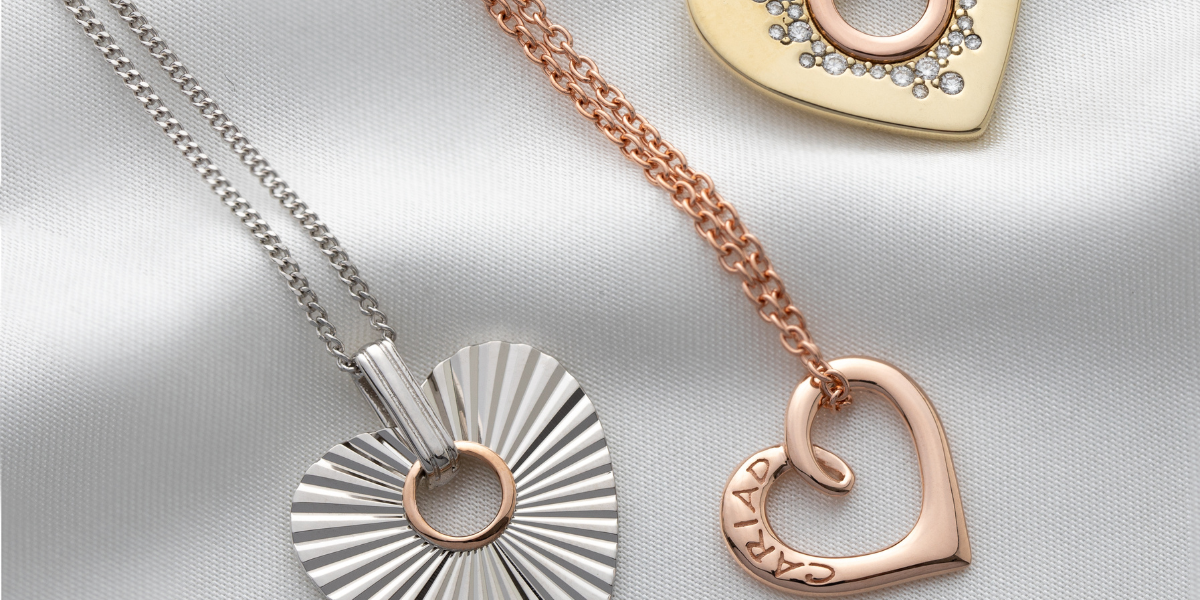
Introduction & Background
For centuries, diamonds have captivated hearts and symbolized enduring love, prestige, and timeless beauty. Whether you are shopping for an engagement ring, a milestone anniversary gift, or simply treating yourself to a piece of luxury, selecting the perfect diamond can feel overwhelming. With so many factors to consider, from cut and clarity to color and carat weight, it is easy to feel lost in a sea of sparkle and shine. This is where expert guidance becomes invaluable, helping you navigate the complexities of the diamond market and make an informed decision that aligns with your style, budget, and values. In this guide, we will unlock the secrets to finding your perfect gem, ensuring your purchase is not just beautiful but also meaningful and lasting.
Concept & Overview
At its core, diamond buying is about balancing beauty, quality, and value within a framework of internationally recognized standards. Diamonds are graded using the 4Cs, Cut, Color, Clarity, and Carat weight, which serve as the universal language for evaluating their quality. These criteria, established by the Gemological Institute of America (GIA), provide a consistent way to compare stones and understand their unique characteristics. Beyond the 4Cs, other factors such as shape, certification, and ethical sourcing play significant roles in determining a diamond’s worth and appeal. Understanding these fundamentals empowers buyers to make confident choices and invest wisely in a gem that reflects their personal taste and long-term satisfaction.
Key Features & Highlights
- The 4Cs Framework: Cut determines brilliance and fire, color assesses the absence of hue, clarity measures internal and external flaws, and carat weight indicates size. Each C influences the diamond’s overall appearance and price.
- Diamond Shapes: Round brilliant cuts are classic and maximally sparkly, while shapes like princess, emerald, and oval offer unique aesthetics. The choice of shape often depends on personal preference and lifestyle.
- Certification Matters: Always choose diamonds certified by reputable labs such as GIA, AGS, or IGI. Certification guarantees authenticity and provides a detailed report on the stone’s quality.
- Ethical Sourcing: Opt for conflict-free diamonds by verifying their origin through certifications like the Kimberley Process or by purchasing from jewelers with transparent sourcing policies.
- Setting and Style: Consider how the diamond will be set in jewelry. A solitaire setting highlights clarity and cut, while halo or pavé designs can enhance perceived size and sparkle.
- Budget Planning: Set a realistic budget and prioritize the 4Cs based on your priorities. For instance, a smaller carat weight with an excellent cut may offer more brilliance than a larger stone with poor proportions.
- Resale Value: High-quality diamonds with strong certifications tend to retain value better over time, making them a more secure investment.
Frequently Asked Questions / Pros & Cons
What are the most important factors to consider when buying a diamond?
While all four Cs are important, most experts recommend prioritizing cut above all else. A well-cut diamond reflects light beautifully, making it appear more brilliant and vibrant. Carat weight and color follow closely, depending on personal preference and budget. Clarity is often less critical if the flaws are not visible to the naked eye, especially in stones under one carat.
How does diamond shape affect its price and appearance?
Round brilliant diamonds are typically the most expensive due to high demand and optimal light performance. Fancy shapes like marquise or heart can appear larger for their carat weight but may show more color, which can influence price. The shape also affects how the diamond catches light and fits within a setting.
Is it better to buy a larger carat diamond or a higher-quality smaller one?
This depends on your priorities. If size is your main focus, a larger carat with a slightly lower grade in other areas may suit you. However, a smaller stone with excellent cut, color, and clarity can offer superior sparkle and elegance. Consider what you value most, presence or brilliance.
What should I look for in a diamond certification?
Ensure the certification comes from a trusted laboratory such as GIA, AGS, or IGI. The report should include detailed measurements, clarity characteristics, color grade, cut grade (if applicable), carat weight, and any treatments. Avoid diamonds with vague or unrecognized certifications.
Are lab-grown diamonds a good alternative to natural diamonds?
Lab-grown diamonds offer excellent value and ethical benefits, often costing 30 to 50 percent less than natural diamonds. They have the same physical and chemical properties but are created in weeks rather than over millions of years. They are ideal for budget-conscious buyers or those prioritizing sustainability.
Practical Guidance & Solutions
Start your diamond-buying journey by doing thorough research and setting clear priorities. If brilliance and sparkle are your main goals, focus on the cut and consider a round brilliant or cushion shape. For those concerned with ethics, ask your jeweler about provenance and certification. Always request a diamond grading report and verify its authenticity.
Visit multiple jewelers to compare prices, cuts, and customer service. Do not rush the process. Take your time to examine diamonds in person under different lighting conditions, as color and clarity can appear differently in various settings. If possible, bring a trusted friend or family member for a second opinion.
For a balanced purchase, consider a diamond that meets high standards in three of the four Cs, even if the fourth is slightly lower. For example, a diamond with a very good cut, near-colorless grade, and VS2 clarity can still look stunning at a fraction of the price of a flawless stone.
When shopping online, choose retailers with generous return policies and high customer ratings. Ensure they offer certified diamonds and secure payment options. Reading reviews can provide insight into the retailer’s reputation and the quality of their gems.
Conclusion
Finding your perfect diamond is less about chasing perfection and more about discovering a stone that resonates with your heart and lifestyle. By understanding the 4Cs, prioritizing what truly matters to you, and shopping with confidence and care, you can transform a daunting process into a joyful experience. Whether you choose a natural or lab-grown diamond, a classic solitaire or a bold modern design, the right gem will shine brightly for a lifetime. Let your diamond be more than just a purchase. Let it be a reflection of your story, your values, and your unique sparkle.