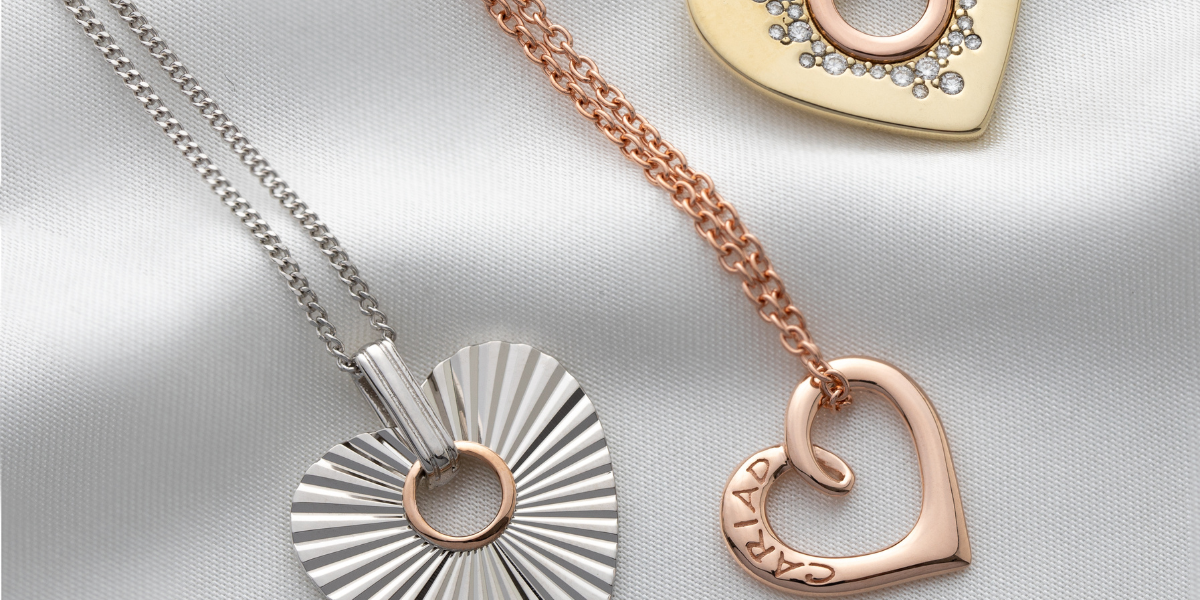
The Ultimate Guide to Investing in Timeless Luxury Jewelry
Investing in luxury jewelry is not just about owning a piece of art—it’s a strategic move that combines passion with financial foresight. Unlike many other luxury assets, high-end jewelry holds intrinsic value, cultural significance, and the potential for long-term appreciation. Whether you’re a seasoned collector or a newcomer to the world of fine jewelry, understanding the nuances of this market is essential. This guide will walk you through the key aspects of investing in timeless luxury jewelry, from identifying valuable pieces to navigating auctions and resale markets.
Why Invest in Luxury Jewelry?
Luxury jewelry has enduring appeal for several reasons. First, it retains value over time, unlike fashion accessories that quickly lose their relevance. Iconic pieces from renowned brands often appreciate in value, especially if they are crafted from high-quality materials or carry historical significance. Second, jewelry is portable and universally desirable, making it a more accessible investment compared to real estate or fine art. Finally, owning a piece of luxury jewelry allows you to enjoy its beauty while it appreciates in worth—a rare combination in the investment world.
Key Factors to Consider Before Investing
Not all luxury jewelry is created equal, and not all pieces will yield a strong return. To make a sound investment, consider the following factors:
- Brand Reputation: Established luxury brands like Cartier, Tiffany & Co., Van Cleef & Arpels, and Bulgari have strong resale markets due to their global recognition and craftsmanship.
- Materials: Precious metals (gold, platinum) and gemstones (diamonds, sapphires, rubies) are essential. The higher the carat weight and quality of the materials, the better the investment potential.
- Design and Rarity: Limited-edition pieces, vintage designs, and pieces with historical significance tend to appreciate more than mass-produced items.
- Condition: Jewelry in excellent condition, with original certifications and minimal wear, commands higher prices.
- Provenance: Pieces with documented ownership history or ties to notable figures can significantly enhance their value.
Top Investment-Worthy Jewelry Categories
Certain categories of luxury jewelry are particularly sought after by investors. Here are some of the most promising options:
Vintage and Antique Jewelry
Vintage jewelry from the Art Deco, Edwardian, or Victorian eras is highly coveted. These pieces often feature intricate craftsmanship, rare gemstones, and unique designs that are no longer produced. Brands like Cartier, Van Cleef & Arpels, and Tiffany & Co. are renowned for their vintage collections, which can fetch premium prices at auctions.
Modern Iconic Pieces
Some contemporary designs have already become modern icons. Examples include Cartier’s Love bracelet, Tiffany’s Schlumberger designs, and Bulgari’s Serpenti collection. These pieces are highly recognizable and maintain strong demand in both primary and secondary markets.
Investing in modern icons can be a smart move, especially if the design has cultural relevance or is endorsed by celebrities and influencers. Limited-edition releases, such as those tied to anniversaries or collaborations, often appreciate quickly due to their exclusivity.
High-End Diamond and Gemstone Jewelry
Diamonds and colored gemstones have long been favored by investors. The value of a diamond is determined by the Four Cs: cut, color, clarity, and carat weight. For gemstones, factors like origin, treatment history, and rarity play a crucial role. Stones like Colombian emeralds, Kashmir sapphires, and Burmese rubies are particularly valuable.
When investing in gemstone jewelry, ensure that the stones are accompanied by certifications from reputable labs like GIA (Gemological Institute of America) or AGS (American Gem Society). These certifications add credibility and enhance resale value.
How to Buy Luxury Jewelry for Investment
Purchasing luxury jewelry for investment requires a strategic approach. Here’s a step-by-step guide to help you make informed decisions:
1. Research and Educate Yourself
Before making any purchase, immerse yourself in the world of luxury jewelry. Learn about different brands, materials, and market trends. Follow auction results from houses like Sotheby’s, Christie’s, and Phillips to understand pricing trends. Joining online forums and communities, such as WatchPro or PurseBop, can also provide valuable insights from experienced collectors.
2. Set a Budget
Luxury jewelry investments can range from a few thousand dollars to millions. Determine your budget based on your financial goals and risk tolerance. Remember that while some pieces appreciate rapidly, others may hold value steadily over time without significant gains.
3. Buy from Reputable Sources
To ensure authenticity and value, purchase from trusted retailers, authorized dealers, or auction houses. Avoid private sellers unless you have a trusted intermediary or can verify the piece’s authenticity independently. When buying vintage or antique jewelry, request a gemological report or certificate of authenticity.
4. Focus on Timeless Designs and Materials
Invest in pieces that are versatile and timeless rather than trendy. Classic designs like solitaire diamond rings, tennis bracelets, and pearl necklaces are less likely to go out of style. Similarly, opt for jewelry made from durable materials like platinum or 18k gold, which retain their value better than lower-quality metals.
5. Consider Storage and Insurance
Proper storage is essential to preserve the condition of your investment. Use a safe deposit box or a high-quality jewelry safe at home. Additionally, insure your pieces with a policy that covers loss, theft, and damage. Some insurance providers specialize in high-value items and offer comprehensive coverage.
Navigating the Secondary Market
The secondary market for luxury jewelry is thriving, with auction houses, consignment platforms, and private sales offering opportunities to buy and sell. Here’s how to navigate this market effectively:
- Auction Houses: Houses like Sotheby’s and Christie’s regularly auction luxury jewelry, often featuring rare and historical pieces. Auctions can be competitive, so set a maximum bid in advance and stick to it to avoid overpaying.
- Consignment Platforms: Websites like 1stDibs, Ruby Lane, and The RealReal offer curated selections of pre-owned luxury jewelry. These platforms provide a convenient way to buy certified pieces with transparent pricing.
- Private Sales and Dealers: Working with a reputable dealer or a trusted private seller can yield high-quality pieces at competitive prices. However, always verify the authenticity and provenance of the jewelry before finalizing a purchase.
- Online Marketplaces: Platforms like eBay and Facebook Marketplace can be risky due to the prevalence of counterfeit items. Only buy from sellers with high ratings and request certifications or third-party appraisals.
Understanding Appraisals and Valuations
An accurate appraisal is crucial for determining the value of your jewelry investment. Appraisals provide a professional assessment of the piece’s materials, craftsmanship, and market value. Here’s what you need to know:
- Types of Appraisals: There are several types of appraisals, including insurance appraisals (which focus on replacement value) and market appraisals (which assess resale value). For investment purposes, a market appraisal is more relevant.
- Qualified Appraisers: Choose an appraiser who is certified by a recognized organization, such as the American Society of Appraisers (ASA) or the Gemological Institute of America (GIA). Avoid appraisers who have a vested interest in the sale of the piece.
- Updating Appraisals: Jewelry values can fluctuate based on market trends and material prices. It’s advisable to update appraisals every few years to reflect current market conditions.
Tax Implications and Legal Considerations
Investing in luxury jewelry can have tax implications depending on your location and how you acquire or sell the pieces. Here are some key considerations:
- Capital Gains Tax: In many countries, profits from the sale of luxury jewelry are subject to capital gains tax. The rate varies based on how long you’ve held the piece and your local tax laws. Consult a tax professional to understand your obligations.
- Import and Export Regulations: If you’re purchasing jewelry from abroad or selling it internationally, be aware of import/export regulations and duties. Some countries have restrictions on the import of certain gemstones or metals.
- Authentication and Documentation: Ensure that you have proper documentation for your jewelry, including certificates of authenticity, appraisals, and receipts. This documentation is essential for legal and insurance purposes.
Common Mistakes to Avoid
Investing in luxury jewelry comes with its share of pitfalls. Avoid these common mistakes to protect your investment:
- Buying for Emotional Appeal: While it’s natural to fall in love with a piece, avoid making impulsive purchases based solely on emotion. Always consider the investment potential first.
- Ignoring Authentication: Counterfeit jewelry is rampant in the market. Never buy a piece without proper certification or a trusted source.
- Overlooking Maintenance: Poor maintenance can significantly reduce the value of your jewelry. Regular cleaning, professional servicing, and proper storage are essential to preserve its condition.
- Failing to Diversify: Like any investment, it’s wise to diversify your portfolio. Don’t put all your funds into a single piece or brand. Spread your investments across different categories and time periods.
The Future of Luxury Jewelry Investments
The luxury jewelry market is evolving, influenced by trends in sustainability, technology, and consumer preferences. Here’s what to watch in the coming years:
- Sustainability: Consumers are increasingly demanding ethically sourced materials and transparent supply chains. Brands that prioritize sustainability, such as Tiffany & Co. and Chopard, are gaining traction among investors.
- Digital Platforms: Online marketplaces and virtual auctions are making it easier to buy and sell luxury jewelry. Platforms like Sotheby’s have embraced digital bidding, expanding access to global buyers.
- Lab-Grown Diamonds and Gemstones: While natural diamonds remain highly valued, lab-grown stones are becoming more popular due to their affordability and ethical appeal. However, their long-term investment potential is still being evaluated.
- Customization and Personalization: High-net-worth individuals are increasingly seeking bespoke jewelry. Brands like Graff and Lorenz Bäumer offer custom pieces that can command premium prices.
Conclusion: Is Luxury Jewelry a Smart Investment?
Investing in luxury jewelry can be a rewarding venture, both financially and aesthetically. When approached with knowledge and strategy, it offers the potential for long-term appreciation, portfolio diversification, and the joy of owning exquisite pieces. However, success in this market requires careful research, a focus on quality, and an understanding of market dynamics.
Whether you’re drawn to vintage Cartier pieces, modern diamond icons, or rare colored gemstones, the key is to invest in items that align with your goals and values. By prioritizing timeless designs, reputable brands, and proper documentation, you can build a collection that not only sparkles but also grows in value over time.
As with any investment, patience and due diligence are paramount. Stay informed, seek expert advice when needed, and enjoy the journey of building a legacy in luxury jewelry.