Introduction & Background
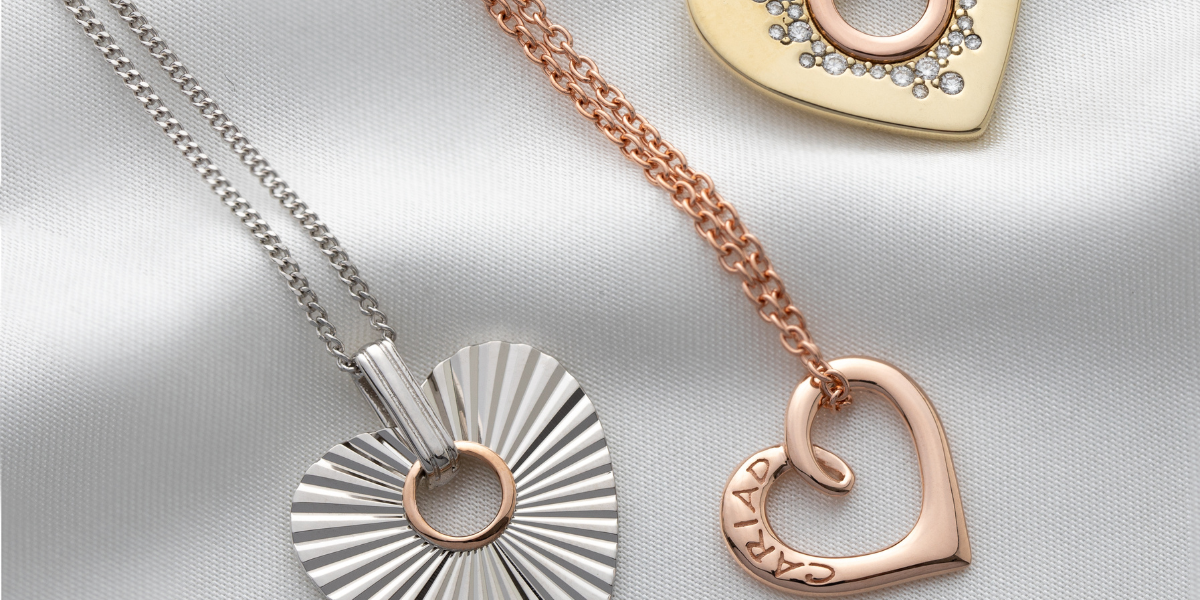
Jewelry styling is an art that goes beyond simply wearing accessories. It reflects personality, enhances outfits, and can elevate an entire look from ordinary to extraordinary. One of the most powerful yet often overlooked techniques in jewelry styling is the art of mixing metals, textures, and trends. While some may hesitate to combine different elements, mastering this skill can unlock endless possibilities for creating unique, eye-catching ensembles. Whether you prefer classic elegance or bold modern statements, understanding how to blend metals like gold, silver, and rose gold, as well as incorporating varied textures and current trends, can transform your jewelry collection into a versatile and stylish toolkit. This guide will uncover the secrets to styling jewelry like a professional, helping you build confidence in your choices and make every piece work harmoniously together.
Concept & Overview
The core concept behind mixing metals, textures, and trends in jewelry styling revolves around balance, contrast, and intentional design. Mixing metals is not about random pairing but about creating intentional harmony through thoughtful combinations. Textures add depth and interest, allowing different finishes to complement one another without overwhelming the look. Trends, while ever-changing, provide a foundation for incorporating fresh elements while keeping the overall aesthetic cohesive. The key principle is to start with a neutral base and layer pieces that share a common thread, whether it’s a color palette, a theme, or a design motif. This approach ensures that even the most eclectic combinations feel intentional and polished rather than chaotic. By understanding the rules of mixing and breaking them strategically, you can curate a jewelry wardrobe that is both timeless and on-trend.
Key Features & Highlights
- Metal Mixing Basics: Gold, silver, and rose gold can coexist beautifully when paired with intention. Start by choosing one dominant metal and use the others as accents to create contrast without clashing.
- Texture Play: Combining smooth polished surfaces with matte, hammered, or engraved finishes adds visual interest. For example, a sleek silver necklace can pair well with a textured gold cuff for a balanced yet dynamic look.
- Trend Integration: Incorporate current trends, such as layered chains or mixed stone designs, by selecting pieces that align with your personal style. Trends should enhance, not dictate, your overall aesthetic.
- Color Coordination: Consider the undertones of metals. Warm-toned golds and rose golds complement each other, while cooler silver tones can be balanced with white gold or platinum. Avoid mixing too many metals at once to maintain cohesion.
- Proportion and Scale: Large statement pieces should be balanced with delicate, smaller items. For instance, a chunky gold bracelet can be paired with thin silver rings to avoid overwhelming the look.
- Occasion Appropriateness: Daytime looks can handle more eclectic mixes, while evening wear often calls for a more refined approach. Consider the formality of the event when styling your jewelry.
Frequently Asked Questions / Pros & Cons
Can you mix gold and silver jewelry together?
Pros: Mixing gold and silver can create a modern, eclectic look that showcases versatility. It works particularly well in layered necklaces or stacked bracelets where each metal has its own space.
Cons: Overdoing the mix can look chaotic if not balanced properly. It’s important to keep the overall design cohesive by sticking to a theme or color palette.
How do I mix different textures in jewelry?
Pros: Textures add depth and character to an outfit, making it more visually interesting. They can highlight the craftsmanship of each piece and create a tactile experience.
Cons: Too many textures in one look can feel cluttered. It’s best to limit textures to two or three per outfit and ensure they complement rather than compete with each other.
What are the latest trends in jewelry styling?
Current trends include layered chains, mixed metal hoops, and personalized engravings. Sustainable and vintage-inspired pieces are also gaining popularity, as well as bold, geometric designs.
Is it okay to mix vintage and modern jewelry?
Pros: Combining vintage and modern pieces creates a unique, story-rich look that reflects individuality. It allows for a mix of eras and styles, adding character to any outfit.
Cons: Mismatched eras can look disjointed if not curated carefully. Stick to a cohesive theme, such as Art Deco-inspired modern pieces, to maintain harmony.
How can I style jewelry for different body types?
For petite frames, opt for delicate pieces and avoid oversized designs that can overwhelm. Tall individuals can pull off bold, chunky designs. Necklace length should complement face shape, with longer necklaces elongating shorter necks and shorter strands balancing longer faces.
Practical Guidance & Solutions
To master the art of jewelry styling, start by auditing your collection. Identify the metals, textures, and trends you already own and group them by color and style. Begin with a neutral base piece, such as a simple silver pendant or a gold watch, and build from there. Use the 60-30-10 rule as inspiration: 60% of your look should be one dominant metal, 30% can be a secondary metal, and 10% can be an accent metal.
When mixing textures, pair smooth surfaces with rough or matte finishes to create contrast. For example, a sleek silver bracelet can be worn with a hammered gold ring for a balanced yet textured look. If you’re new to mixing metals, start with small pieces like earrings or rings before moving on to statement necklaces or bracelets.
Stay updated with trends by following fashion influencers or jewelry designers on social media. Invest in versatile pieces that can be dressed up or down, such as layered chains or adjustable bangles. Don’t be afraid to experiment with vintage finds or heirloom pieces to add a personal touch to your look. Remember, the goal is to create a cohesive ensemble that feels intentional and reflects your personal style.
For special occasions, consider the formality of the event. Evening wear can handle more dramatic mixes, such as pairing a gold cuff with silver drop earrings. Daytime looks can incorporate more playful combinations, like stacked bangles in mixed metals and textures. Always consider the outfit’s color palette when selecting jewelry, opting for pieces that enhance rather than compete with the clothing.
Conclusion
Jewelry styling is a creative journey that invites experimentation and self-expression. By mastering the art of mixing metals, textures, and trends, you can transform your accessories into powerful statement pieces that elevate any outfit. Start small, trust your instincts, and don’t be afraid to break the rules once you understand the fundamentals. The key is to have fun and let your personality shine through every piece you wear. Whether you prefer classic sophistication or bold, eclectic looks, the world of jewelry styling offers endless possibilities for those willing to explore. Embrace the process, refine your eye, and watch as your jewelry collection becomes a reflection of your unique style and creativity.