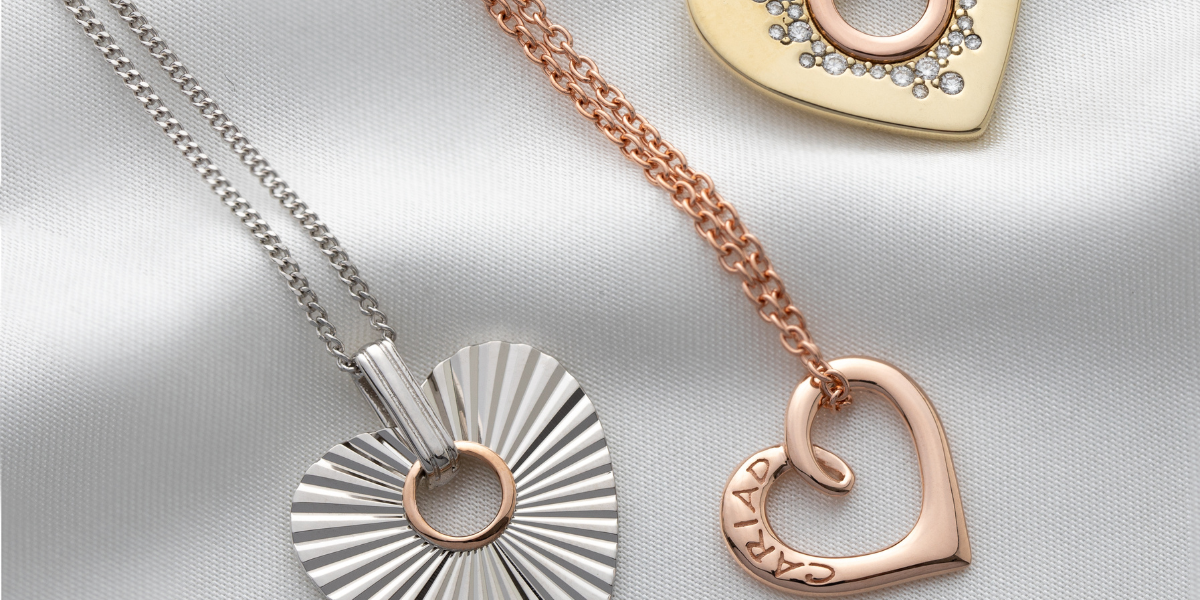
Introduction & Background
For centuries, handcrafted heirlooms have stood as silent witnesses to love, tradition, and artistry. Unlike mass-produced jewelry, these pieces carry the warmth of human touch, each curve and detail telling a story that transcends generations. In a world dominated by fast fashion and disposable goods, handcrafted heirlooms offer something rare: permanence. They are not just accessories. They are legacies. Whether passed down through families or carefully selected as symbols of commitment, these treasures embody craftsmanship that machines cannot replicate. The significance of handcrafted jewelry lies not only in its beauty but in its ability to connect us to our past while shaping our future. As we explore the artistry behind timeless jewelry, we uncover why these pieces remain cherished long after trends fade.
Concept & Overview
Handcrafted heirloom jewelry represents the pinnacle of artisanal skill, where every gem is set and every metal is shaped by hand. Unlike factory-made items produced in bulk, handcrafted pieces are created with deliberate attention to detail, often using traditional techniques passed down through generations. The core principle behind this craft is intentionality. Artisans do not merely assemble jewelry. They envision it, sketch it, shape it, and refine it with patience and precision. This process ensures that each piece is unique, reflecting the maker’s vision as much as the wearer’s personality. Moreover, handcrafted jewelry is not bound by fleeting trends. It is designed to endure, both in durability and in meaning. Whether it is a delicate pendant or an intricate ring, the goal is to create something that will be treasured for decades, even centuries. This commitment to longevity is what elevates handcrafted heirlooms above their commercial counterparts.
Key Features & Highlights
- Unmatched Quality: Handcrafted jewelry is made from high-quality materials such as solid gold, platinum, or ethically sourced gemstones, ensuring durability and brilliance.
- Custom Design Possibilities: Unlike ready-made pieces, handcrafted jewelry can be fully personalized, from metal finishes to stone arrangements, reflecting the wearer’s individual taste.
- Artisan Skill & Technique: Techniques like hand engraving, filigree, granulation, and hand-setting of stones highlight the mastery of the craftsman, resulting in intricate and flawless designs.
- Emotional Value: Each piece carries emotional significance, whether it marks a milestone like an engagement, anniversary, or inheritance, making it far more meaningful than a store-bought accessory.
- Ethical & Sustainable: Handcrafted jewelry often emphasizes responsible sourcing and sustainable practices, supporting communities and reducing environmental impact compared to industrial mining.
- Timeless Aesthetics: Designed to remain stylish regardless of changing fashion trends, handcrafted heirlooms blend classic elegance with understated luxury.
Frequently Asked Questions / Pros & Cons
What makes handcrafted jewelry different from mass-produced jewelry?
Handcrafted jewelry is made entirely by hand or with minimal machine assistance, using traditional methods that prioritize artistry and detail. Mass-produced jewelry, on the other hand, is typically stamped or cast in molds and lacks the individual character and craftsmanship of handmade pieces.
Is handcrafted jewelry more expensive?
Yes, due to the time, skill, and high-quality materials involved, handcrafted jewelry generally comes at a higher price point than machine-made alternatives. However, the investment reflects its longevity, uniqueness, and emotional value.
Can handcrafted jewelry be passed down as heirlooms?
Absolutely. In fact, that is the primary purpose of handcrafted heirloom jewelry. Its durability, timeless design, and sentimental significance make it ideal for gifting across generations.
How do I choose a reputable artisan for custom jewelry?
Look for artisans with a strong portfolio, positive client testimonials, and transparent sourcing practices. Ask about their experience, design process, and ability to work with your preferred materials and budget.
Does handcrafted jewelry include conflict-free and ethically sourced materials?
Many reputable artisans prioritize ethical sourcing, using conflict-free diamonds and fair-trade gemstones. Always ask for certifications or assurances regarding the origin of materials.
Practical Guidance & Solutions
If you are considering investing in handcrafted heirloom jewelry, start by defining your purpose. Are you seeking a piece for a special occasion, a family legacy, or simply a statement of personal style? Once your goal is clear, research artisans whose style resonates with you. Browse their portfolios and read reviews to ensure quality and reliability. When commissioning a custom piece, bring clear references, sketches, photos, or even fabric swatches can help the artisan understand your vision. Discuss materials openly, asking about metal purity, gemstone origins, and durability. Ask for a timeline and cost breakdown upfront to avoid surprises. To preserve your jewelry, follow care guidelines: store it in a soft pouch, clean it regularly with a gentle cloth, and avoid exposure to harsh chemicals. Finally, consider insuring your heirloom, especially if it contains precious metals or stones, to protect your investment for generations.
Conclusion
Handcrafted heirlooms are more than mere adornments. They are vessels of memory, artistry, and legacy. In a world that often prioritizes speed over substance, these timeless pieces remind us of the value of patience, skill, and personal connection. They challenge us to slow down, appreciate detail, and value what is built to last. Whether worn daily or reserved for special moments, handcrafted jewelry becomes part of our story. It grows with us, carries our emotions, and connects us to those who came before. As we pass these treasures to future generations, we are not just giving jewelry. We are sharing heritage, craftsmanship, and the enduring power of human creativity. In choosing handcrafted, we choose more than beauty. We choose permanence.