Introduction & Background
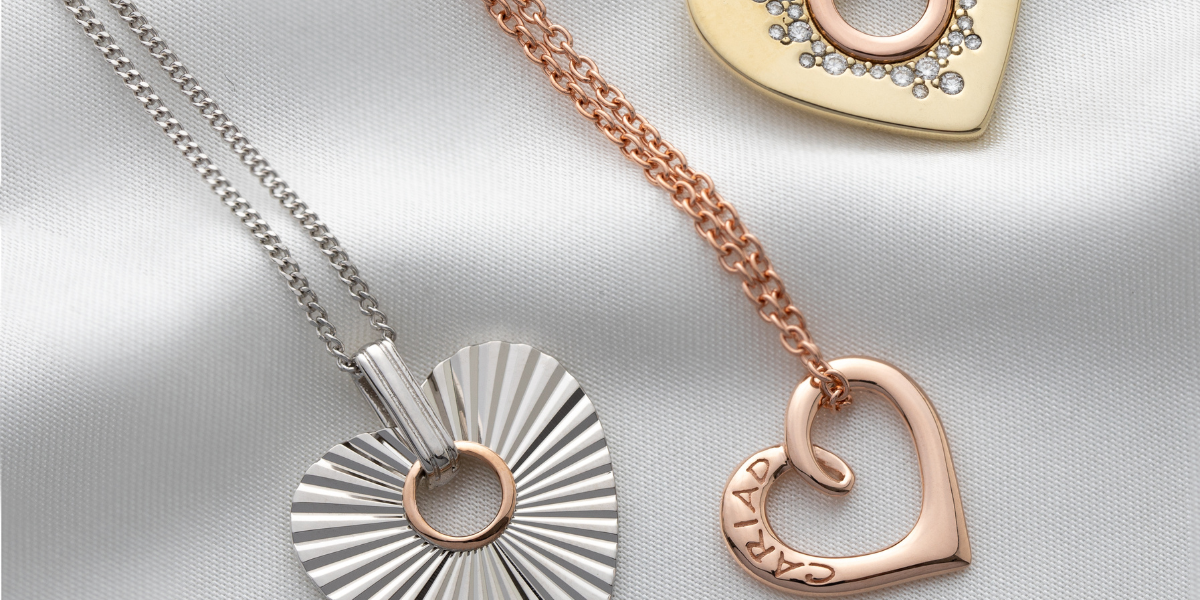
For thousands of years, jewelry has served as more than just adornment. It has been a symbol of status, a medium of artistic expression, and a vessel of sentimental value. From the intricate goldwork of ancient civilizations to the avant-garde designs of modern artisans, the craft of jewelry making remains a testament to human creativity and skill. Today, as sustainability and craftsmanship regain appreciation, the artistry behind timeless treasures continues to evolve, blending tradition with innovation. This article explores the foundations of jewelry making, the techniques that define masterful pieces, and the enduring allure of handcrafted jewelry.
Concept & Overview
Jewelry making is the art and process of designing, crafting, and finishing wearable art using precious metals, gemstones, and other materials. At its core, it involves both technical precision and creative vision. Artisans must understand metallurgy, gemology, and design principles, while also mastering tools and techniques passed down through generations.
Beyond mere ornamentation, jewelry making often carries cultural significance. It can reflect personal stories, spiritual beliefs, or societal roles. In many cultures, specific motifs and materials are reserved for ceremonies or rites of passage, such as engagement rings or heirloom pieces. The craft also adapts to contemporary needs, embracing ethical sourcing and modern technologies like 3D printing and CAD design.
Key Features & Highlights
- Material Selection: The foundation of any piece lies in the choice of materials, which can range from gold, silver, and platinum to alternative metals like titanium and tungsten. Gemstones, whether natural, lab-grown, or organic, add color, brilliance, and meaning.
- Design Process: A successful piece begins with a concept, often sketched by hand or digitally rendered. The design must balance aesthetics, wearability, and structural integrity. Proportions, symmetry, and focal points are carefully considered.
- Crafting Techniques: Traditional methods such as lost-wax casting, hand engraving, and filigree are still cherished. Modern techniques like laser welding and computer-aided manufacturing (CAM) allow for greater precision and customization.
- Finishing & Detailing: Polishing, stone setting, and patination bring a piece to life. Each finish enhances the visual and tactile appeal, whether through a mirror-like shine or a deliberately aged patina.
- Ethical Practices: Responsible jewelry making emphasizes fair labor, conflict-free gemstones, and sustainable sourcing. Many artisans now use recycled metals and traceable materials to align with eco-conscious values.
Frequently Asked Questions / Pros & Cons
What makes handmade jewelry more valuable than mass-produced pieces?
Handmade jewelry carries a unique character that mass production cannot replicate. Each piece reflects the artisan’s personal touch, time investment, and attention to detail. The imperfections and variations in handcrafted work often enhance character, making every item one-of-a-kind. Additionally, handmade pieces typically involve higher-quality materials and more ethical practices.
Is it possible to learn jewelry making without formal training?
While formal education in jewelry design and craftsmanship can accelerate learning, many artisans are self-taught through books, online tutorials, and community workshops. The craft demands patience, practice, and a willingness to learn from mistakes. Apprenticeships with experienced jewelers remain a valuable pathway for deeper skill development.
What are the main challenges faced by jewelry makers today?
One of the biggest challenges is balancing artistic vision with commercial viability. Market trends shift rapidly, and artisans must stay adaptable without compromising their style. Another challenge involves sourcing ethically and sustainably, especially with gemstones and precious metals. Additionally, competition from large brands and online marketplaces can make it difficult for independent makers to stand out.
Are lab-grown gemstones considered less valuable than natural ones?
The value of a gemstone depends on factors like rarity, beauty, and demand. Lab-grown gemstones are chemically and physically identical to natural ones but are typically more affordable and eco-friendly. While some collectors still prefer natural stones for their geological uniqueness, lab-grown alternatives are gaining acceptance, particularly among younger and environmentally conscious consumers.
Practical Guidance & Solutions
For aspiring jewelry makers, starting with a solid foundation in basic tools and materials is essential. Beginners should invest in a jeweler’s saw, pliers, files, and a soldering torch. Practicing with inexpensive metals like copper or brass allows for experimentation without financial pressure.
Joining a local jewelry-making class or online community can provide mentorship and feedback. Many artisans also recommend keeping a sketchbook to develop ideas and document progress. When sourcing materials, look for suppliers that offer transparency about their sourcing practices.
For those interested in selling their work, building a strong brand identity is crucial. High-quality photography and storytelling about the creative process can connect emotionally with buyers. Social media platforms like Instagram and Pinterest are excellent for showcasing handmade jewelry and reaching niche audiences.
Conclusion
The craft of jewelry making is a timeless fusion of art, science, and storytelling. Whether preserving ancient techniques or pioneering new ones, artisans around the world continue to transform raw materials into objects of beauty and meaning. In an era of rapid production and disposable fashion, handmade jewelry stands as a celebration of patience, skill, and individuality.
As consumers increasingly value transparency and authenticity, the future of jewelry making looks bright. It invites us all to look closer at the pieces we wear, to appreciate the hands behind the craft, and to cherish the stories they carry. The artistry behind timeless treasures is not just in the final product, but in the journey of creation itself.