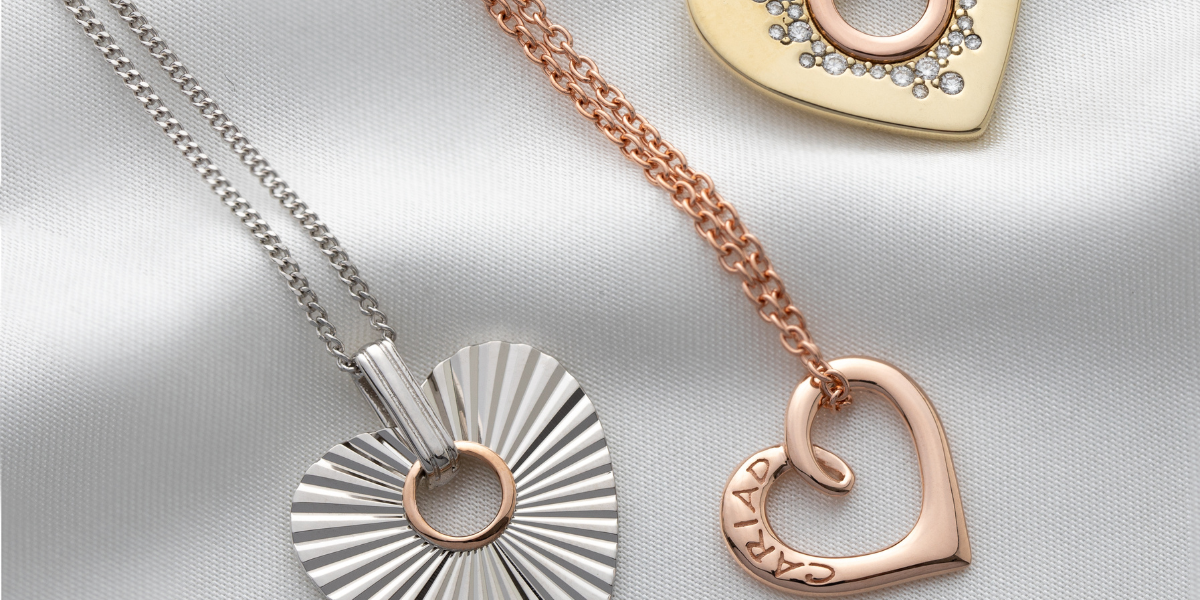
The Alchemy of Adornment: Crafting Stories in Every Gem
Throughout human history, adornment has been far more than a mere act of decoration. It is an ancient language, a silent storyteller that speaks of identity, status, love, power, and memory. From the earliest civilizations to the modern runways, jewelry has served as both a canvas and a vessel—translating emotions, beliefs, and experiences into wearable art. This is the alchemy of adornment: the transformation of raw materials into objects imbued with meaning, intention, and narrative. Each gem, each metal, each carefully placed stone carries with it a story waiting to be told.
In this exploration, we journey through the timeless craft of jewelry-making, not just as a technical process, but as a deeply human endeavor. We uncover how gems are chosen not only for their beauty, but for their symbolism; how metals are forged not just for durability, but for resonance; and how every piece becomes a testament to the stories of those who wear it. Jewelry is not merely worn—it is lived in, cherished, and passed down, carrying echoes of the past into the future.
The Language of Gems: More Than Meets the Eye
Every gemstone is a chapter in a larger story. Long before the rise of modern gemology, ancient cultures attributed magical and spiritual properties to stones. Lapis lazuli was revered in Mesopotamia for its celestial blue, believed to connect the earth to the heavens. In India, rubies were said to ward off evil and symbolize passion and protection. Meanwhile, emeralds, sacred to Venus, were cherished in ancient Rome as tokens of love and rebirth.
The language of gems transcends culture and time. Even today, the choice of a gem is deeply personal and often symbolic. A sapphire may represent fidelity, worn by royalty and lovers alike. A pearl, born from the ocean’s depths, is a symbol of purity and transformation. And a diamond, forged under immense pressure, mirrors the human capacity to endure and shine.
- Ruby: Passion, courage, and vitality
- Sapphire: Wisdom, loyalty, and divine favor
- Emerald: Hope, renewal, and harmony
- Amethyst: Peace, spirituality, and clarity
- Pearl: Purity, wisdom, and patience
- Diamond: Strength, invincibility, and eternal love
These meanings are not arbitrary—they are woven into the fabric of human experience. A bride may wear a diamond ring not just for its sparkle, but for its promise of unbreakable bonds. A traveler might carry a piece of turquoise as a talisman against danger. A mourner may wear black onyx as a sign of grief and resilience. In this way, every gem becomes a living amulet, a wearable prayer, a whispered promise.
The Alchemy of Metal: Forging Identity and Legacy
Metal is the skeleton of adornment—it provides structure, durability, and luster. But beyond its physical role, metal too carries stories. Gold, mined from riverbeds and buried in ancient tombs, has been a symbol of divinity and immortality across cultures. Silver, mirror-like and reflective, is often associated with the moon, intuition, and healing. Platinum, rare and enduring, reflects resilience and prestige.
The alchemy of metal is not just about extraction or alloying—it is about transformation. In medieval Europe, alchemists sought to transmute base metals into gold, a metaphor for spiritual evolution. Today, jewelers perform a similar alchemy—taking raw metal, shaping it with fire and hammer, and infusing it with intention. A wedding band, for example, is not just a circle of gold; it is a promise etched into eternity. A family heirloom, passed down through generations, is a lineage captured in metal and stone.
Each metal also carries practical and symbolic weight. Gold does not tarnish, mirroring constancy. Silver conducts both heat and light, symbolizing adaptability. Platinum’s density reflects its strength and rarity. Even the alloys used—such as rose gold, with its warm blush, or white gold, mimicking the purity of platinum—speak to personal taste and identity.
Jewelry as Narrative: Crafting Stories in Every Piece
The artistry of jewelry lies not only in its materials, but in its design—the way stones are set, the way curves flow into lines, the way light dances across facets. A skilled jeweler does not just assemble a piece; they compose a narrative. Consider the Victorian era, when mourning jewelry became a language of grief. Lockets held portraits or hair of the departed; brooches were engraved with poems or dates. Each piece was a silent elegy, a way to carry the memory of a loved one close to the heart.
In contrast, Art Nouveau jewelers like René Lalique wove nature into their designs—dragonflies with enamel wings, orchids blooming in gold, women with flowing hair becoming vines. Their pieces were not just adornments; they were reverence for the natural world, a celebration of beauty in decay and renewal.
Modern jewelry continues this tradition of storytelling. A custom engagement ring may incorporate a gem from a family heirloom, connecting the wearer to their ancestors. A memorial piece might feature a birthstone or a tiny engraved message. Even minimalist designs—like a delicate chain with a single diamond—carry the story of intention, of choosing less to say more.
The process of creating such a piece is a collaboration between artist and wearer. The jeweler listens not only to measurements and preferences, but to emotions and memories. A client may request a pendant shaped like a heart not because of aesthetics alone, but because it represents a long-distance love. The jeweler then becomes a co-author of the story, translating feeling into form.
The Ritual of Adornment: When Jewelry Becomes Sacred
To wear jewelry is to participate in ritual. It is the act of placing a ring on a finger, of clasping a necklace around the neck, of fastening a bracelet on the wrist. These are not casual motions—they are declarations. They mark rites of passage: birthdays, graduations, engagements, anniversaries, retirements. They honor transitions: from maiden to mother, from single to committed, from life to legacy.
In many cultures, adornment is sacred. In Hindu tradition, brides wear red and gold—the colors of prosperity and marital bliss. In Jewish tradition, a bride may wear a veil and adornments to symbolize modesty and honor. In African cultures, beads and cowrie shells are not merely decorative; they signify lineage, status, and spiritual protection.
Even the act of gifting jewelry carries ritual weight. A first piece of jewelry given by a parent is a rite of initiation into family identity. A gift from a lover is a vow of devotion. A piece inherited from a grandparent is an invitation to remember, to carry forward, to become a living archive.
Sustainability and the Future: Crafting Responsibly
As we celebrate the art of adornment, we must also honor the earth that gives us its treasures. The modern jeweler faces a profound responsibility: to create beauty without destruction. Ethical sourcing of gems and metals—conflict-free diamonds, fair-trade gold, recycled silver—is no longer optional; it is essential. Conscious consumers now seek transparency, asking not only, “What does this piece cost?” but “What is its true cost to people and planet?”
Emerging technologies are also reshaping the craft. Lab-grown diamonds and cultured pearls offer the same brilliance and durability as their mined counterparts, with a fraction of the environmental impact. Recycled metals reduce the need for new mining, preserving landscapes and communities. Digital design tools allow jewelers to prototype with minimal waste, turning sketches into reality with precision.
Yet, even as technology advances, the soul of jewelry-making endures. The human hand, the artist’s eye, the emotional connection—these cannot be replicated by machines. Sustainability in jewelry is not just about materials; it is about intention, about crafting stories that honor both beauty and responsibility.
Wear Your Story
Adornment is alchemy in action. It transforms the inert into the expressive, the common into the sacred, the transient into the eternal. Every gem holds a sunrise or a sorrow. Every metal carries the echo of a forge. Every piece tells a story—of love, loss, hope, or healing.
So the next time you fasten a necklace or slip on a ring, pause for a moment. Consider the journey of the stone, the history of the metal, the hands that shaped it, and the heart that chose it. You are not just wearing jewelry—you are wearing a story. And in that story, you are both the author and the protagonist.
In the alchemy of adornment, every gem is a spark. Every piece is a flame. And you, the wearer, are the living light it illuminates.