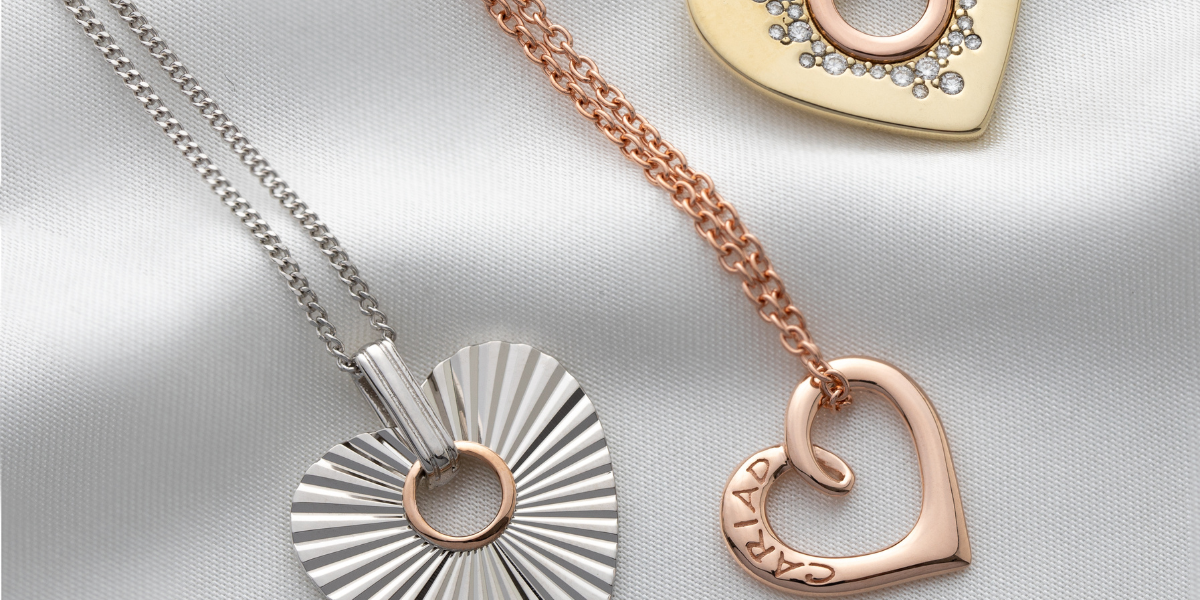
The Whispering Stories of Handcrafted Gems
In a world dominated by mass-produced items and digital perfection, there’s an undeniable magic in the imperfections of handcrafted gems. These treasures, born from the patient hands of artisans, carry stories far richer than anything churned out by machines. Each gem, whether a sparkling diamond, a vibrant sapphire, or a humble piece of raw quartz, whispers tales of tradition, passion, and human connection. Unlike factory-made jewelry, handcrafted gems are more than adornments—they are heirlooms, symbols of love, and vessels of cultural heritage. This article explores the timeless allure of these unique creations, diving into their origins, the artisans behind them, and why they continue to captivate hearts around the world.
The Art of Handcrafting Gems
Handcrafting gems is a meticulous process that blends ancient techniques with modern creativity. Unlike mass-produced jewelry, which prioritizes speed and uniformity, handcrafted gems demand time, precision, and a deep understanding of the materials. Artisans begin by selecting raw gemstones, often handpicked for their quality, color, and rarity. Unlike synthetic or treated stones, natural gems carry unique inclusions and variations that tell a geological story millions of years old.
The crafting process itself is a dance between tradition and innovation. In some cultures, gem-cutting techniques have been passed down for generations, with secrets guarded like family treasures. For example, the cabochon cut, where a gem is shaped and polished into a smooth, domed surface without facets, is a technique used in ancient civilizations like Egypt and Rome. Today, artisans still use hand tools—such as diamond-tipped gravers and lapidary wheels—to shape and facet stones to perfection.
- Hand selection: Artisans carefully choose each gemstone based on its natural beauty, ensuring no two pieces are identical.
- Custom design: Unlike mass-produced items, handcrafted gems are often tailored to the wearer’s preferences, making each piece one-of-a-kind.
- Ethical sourcing: Many artisans prioritize ethically mined or lab-grown gems, ensuring their work aligns with sustainability and fair trade principles.
The Human Touch Behind the Sparkle
Beyond the technical skill, handcrafted gems are infused with the artisan’s personality and emotions. Every stroke of the file, every polish, and every setting choice reflects the creator’s vision. This human touch transforms a simple stone into a wearable work of art. For instance, a goldsmith might incorporate intricate engravings inspired by nature or personal memories, while a lapidary artist could highlight a gem’s natural flaws to create a unique pattern known as a phenomenon gem, such as an opal’s play-of-color.
Many artisans also infuse their cultural heritage into their work. In India, gemstone jewelry often incorporates motifs from ancient texts like the Vedas, while Celtic artisans carve intricate knots and spirals into their designs. These cultural elements add layers of meaning, making each piece a bridge between the past and present.
The relationship between artisan and customer is another layer of the handcrafted story. Unlike purchasing from a store shelf, buying a handcrafted gem often involves a personal connection. Customers may meet the artisan, discuss their vision, and even witness the creation process. This transparency fosters trust and appreciation, turning a transaction into a shared experience.
The Timeless Appeal of Handcrafted Gems
In an era where disposable fashion dominates, handcrafted gems stand as a testament to durability and meaning. Unlike fast fashion jewelry that loses its luster after a few wears, a well-crafted gem can last generations. Antique jewelry, for example, often gains value over time as it tells a story of the era it was made in. Handcrafted gems today may become tomorrow’s heirlooms, passed down with tales of their origins.
There’s also an emotional resonance to owning a handcrafted piece. When you wear a handcrafted gem, you’re not just wearing a stone—you’re wearing the artisan’s dedication, the gem’s natural journey, and the story of its creation. This connection is something mass-produced items can never replicate. In a world where everything is instant, handcrafted gems remind us to slow down, appreciate craftsmanship, and embrace the beauty of imperfection.
Types of Handcrafted Gems and Their Stories
Handcrafted gems come in a vast array of forms, each with its own cultural significance and crafting techniques. Here are a few notable examples:
- Opals: Known for their mesmerizing play-of-color, opals have been revered by ancient civilizations like the Romans, who believed they were the most powerful gem of all.
- Turquoise: In Native American culture, turquoise is considered a sacred stone, symbolizing protection and good fortune. Artisans often set it in sterling silver in traditional styles like the Squash Blossom necklace.
- Moonstone: This gem was once believed to be solidified moonlight. In Hindu mythology, it was thought to bring good luck, while ancient Romans associated it with the moon god, Diana.
- Amethyst: Once reserved for royalty, amethyst was believed to prevent intoxication. Today, it’s a popular choice for handcrafted rings and pendants, often cut in the emerald cut to highlight its deep purple hues.
- Pearls: Unlike other gems formed in the earth, pearls are created by living organisms. Handcrafted pearl jewelry often features natural or slightly irregular shapes, celebrating the organic process behind their formation.
How to Choose and Care for Handcrafted Gems
Selecting a handcrafted gem is a deeply personal experience, but there are a few key factors to consider to ensure you’re making a meaningful and lasting choice:
- Gemstone quality: Look for natural, untreated stones when possible. Ask the artisan about the gem’s origin and any enhancements it may have undergone.
- Metal choice: Gold, silver, and platinum each have their own aesthetic and durability. Consider your lifestyle and preferences—white gold may be more versatile, while rose gold offers a warm, vintage appeal.
- Design harmony: The setting should complement the gem’s color and cut. A deep blue sapphire, for example, pairs beautifully with yellow gold, while a white diamond shines brightest in white gold or platinum.
- Artisan reputation: Research the artisan’s background, reviews, and portfolio. Many handcrafted jewelers have websites or social media pages where they showcase their work and process.
Caring for handcrafted gems ensures they remain as stunning as the day you received them. Here are a few tips:
- Clean gently: Use a soft cloth or a mild soap solution to clean your gemstone jewelry. Avoid harsh chemicals or ultrasonic cleaners, which can damage delicate stones or loosen settings.
- Store properly: Keep your jewelry in a lined box or a pouch to prevent scratches. Store soft gems like opals and pearls separately, as they can be easily scratched by harder stones.
- Check regularly: Inspect your jewelry periodically for loose stones or worn prongs. A professional jeweler can tighten settings and perform necessary repairs.
- Wear with care: Remove your jewelry before engaging in activities that could damage it, such as swimming, exercising, or cleaning with harsh chemicals.
The Future of Handcrafted Gems
The world of handcrafted gems is evolving, blending tradition with innovation to meet modern demands. One exciting trend is the rise of lab-grown gems, which offer an ethical alternative to mined stones without compromising on beauty or quality. Many artisans now use lab-created diamonds, sapphires, and emeralds, allowing them to create stunning pieces at a more accessible price point while reducing environmental impact.
Technology is also playing a role in preserving and expanding handcrafting techniques. 3D printing, for example, is being used to create intricate wax models for lost-wax casting, a process where molten metal fills a mold to form a piece of jewelry. While this method still requires the artisan’s skill to finalize the design, it streamlines the initial stages of creation.
Another promising development is the growing demand for sustainable and transparent sourcing. Consumers are increasingly interested in knowing where their gems come from and how they were mined. Artisans who prioritize fair trade practices, eco-friendly mining, and ethical labor are leading the way in this movement, ensuring that handcrafted gems remain a symbol of beauty and responsibility.
Despite these advancements, the heart of handcrafting remains unchanged. It’s about preserving the human connection to materials, celebrating individuality, and honoring the time-honored craft of turning raw stones into wearable art. As long as there are artisans willing to put their heart and soul into their work, the whispering stories of handcrafted gems will continue to captivate and inspire.
Conclusion: A Legacy of Love and Craftsmanship
Handcrafted gems are more than just beautiful objects—they are a testament to human ingenuity, patience, and creativity. Each piece carries the story of its artisan, the journey of the gemstone, and the bond between creator and wearer. In a world that often prioritizes convenience over craftsmanship, these treasures remind us of the value of slowing down, appreciating the artistry, and embracing the unique imperfections that make each gem truly one-of-a-kind.
Whether you’re purchasing a handcrafted gem as a gift, an investment, or a personal indulgence, you’re not just buying jewelry—you’re becoming a part of a legacy. A legacy of love, skill, and the timeless magic of handcrafted beauty. So the next time you hold a handcrafted gem in your palm, listen closely. You might just hear its whisper.